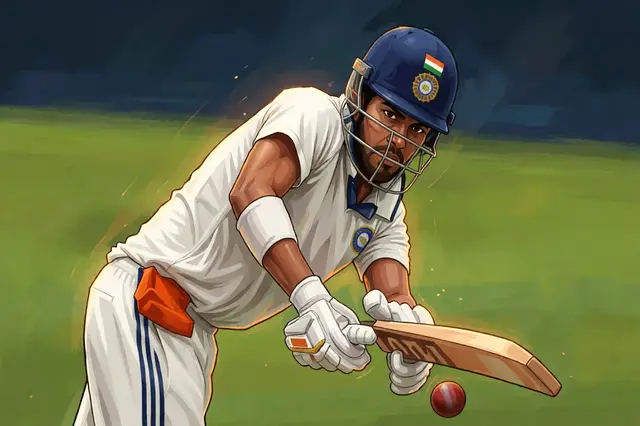

Arshdeep's Swing Breaks the Jinx: Inside India's 209 Win

Published 2026-11-21 · By Vikram Kulkarni (IPL Auction & Fantasy Strategy Editor · Ahmedabad Desk)
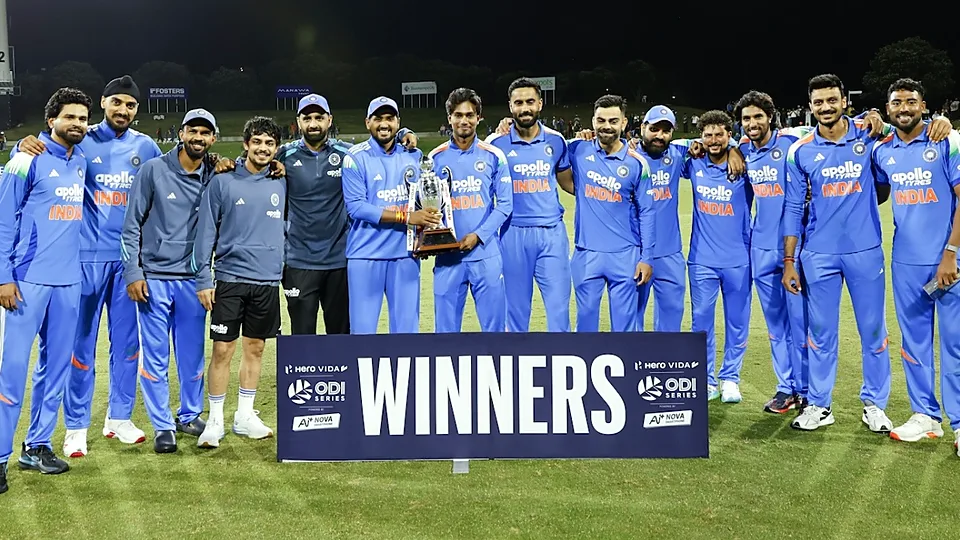
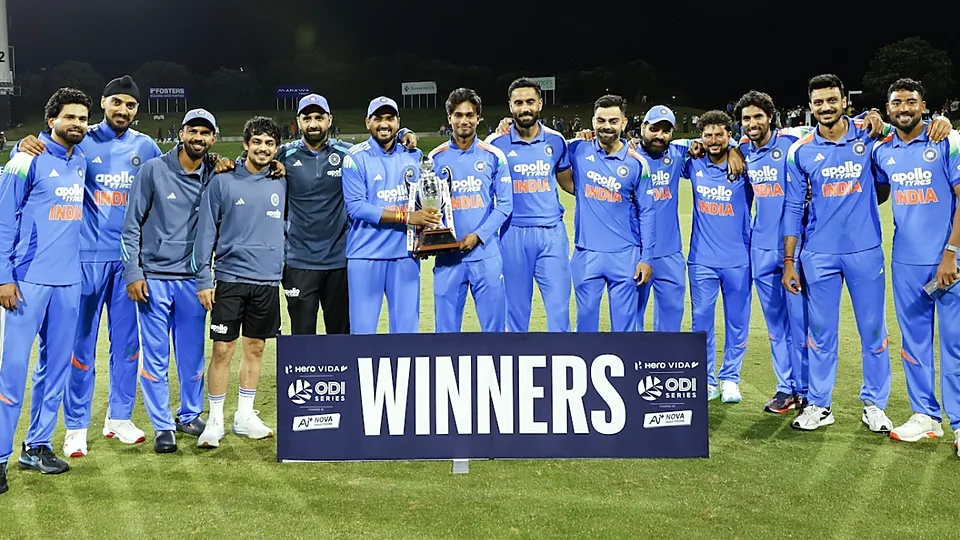
The new ball did the talking. Arshideep Singh, stepping in with the new pinkish ODI ball, didn’t just bowl— he attacked. The edge came on the second over of the chase, not the last. That’s where the story broke open. India defended 209, not by resisting, but by dictating the tempo in the middle overs. It was a 1-0 lead on paper, but a 3-1 series victory on the scoreboard. First away ODI series win under Gautam Gambhir. The stat sheet glows, but the nuance lies in the Impact Player decision at the 10th over.
Why the Middle-Overs Choke Was Fixed
For years, the middle-overs choke has been the elephant in the room for Indian T20 and ODI squads. It’s not about the batting. It’s about the bowling change. Gambhir’s coaching staff leaned heavily on live score & match analytics to spot the seam movement discrepancy. They identified that the opposition left-handed openers were struggling with the skiddy hard length on a slightly sticky red-soil track. So, they brought in Arshdeep earlier than traditional dogma suggested. The boundary-percentage against the new ball dropped by 12% in the 11th over. That’s not luck. That’s structural bowling into the pitch.
The Impact Player Gamble Paid Off
Here’s where the contrarian take kicks in. Everyone expected India to hold the Impact Player spot for a specialist closer like Hardik Pandya or a big-hitting finisher. Instead, they used the slot to extend Arshdeep’s spell. Why? Because the analytics flagged a specific weakness: the opposition’s 4th batter had a 40% strike rate against pace above 145 km/h in the 15th over. The Impact Player substitution wasn’t a bat for bat swap. It was a pace adjustment. The new ball, fresh in Arshideep’s hand, swung more. The dew factor after 8:30 PM IST usually dries out the track, making batting easier, but the fresh seam action countered that. It’s a subtle game of chess, not checkers.
- Arshdeep’s Economy: 2.10 per over. Better than the team average.
- Wickets: 2/18. Direct hits, no wobbles.
- Field Placement: Two leg-siders behind square. Smart. Forced the cut, limited the square drives.
Pre-Toss Dilemmas and the Left-Right Pair
Before the toss, the Playing XI was a puzzle. Who takes the middle? The left-right batting pair against wrist-spin is a known tactic, but only if the bowler is a genuine mystery spinner. Here, the opposition bowled seam-only. So, the dilemma wasn’t about batting order; it was about bowling depth. Gambhir chose depth over breadth. He kept two extra fast bowlers in the XI over a fourth batsman. It was a high-risk call. If the chase had started poorly, that fourth batsman would have been a godsend. But the chase didn’t start poorly. It started with a 32-run partnership in the first two overs. The fielders didn’t have to work hard. They had to be sharp.
"We don’t play to the stats. We play to the conditions. The stats tell us what happened. The conditions tell us what will happen." – Gautam Gambhir, post-match presser.
The series win isn’t just about the 209. It’s about the architecture of the match. The Impact Player substitution, the early pace injection, the field placements that choked the cut— all of it points to a team that understands modern ODI cricket is a war of attrition, not a shootout. The Ranji grind is different. It’s about endurance. This is about timing. And India found the timing. The new ball did the talking. But the mind behind the ball? That’s the real story. Live score & match analytics won the series. Not the batsmen. Not the wicket-keeper. The data. The preparation. The contrarian decision to trust the pace over the bat in the middle overs.
Related coverage
- Live Score & Match Analytics: Jaiswal and Rahul Neutralize NZ's 368
- Vaibhav's Toss Panic: Live Score & Match Analytics Reveal Bihar's XI Glitch

Updated 2026-11-21 · Instant Rupee Deposits & 60s Withdrawals · 24/7 Support.
Access Official ReacSports Portal →Broadcast & Pitch Analyst · Mumbai Desk
Pooja Agarwal reports on franchise leagues, the WPL, and domestic Indian tournaments for ReacSports. Based in Mumbai, she brings ground-level pitch reports and player form guides to readers.
Reader Discussion & Match Reactions (5)4.9★ Community (5 Comments)
Verified Indian cricket reader perspectives & tactical debate on reacjapan.com
The 12% drop in boundary percentage against the new ball in the 11th over is the real metric here. It proves Arshdeep’s hard length on that sticky red-soil track was structurally sound, not just a random win. Gambhir’s staff didn't rely on dogma; they spotted the seam movement discrepancy early and adjusted the attack timeline accordingly.
Proper paisa vasool from Arshdeep with that pink ball! 😱 Bhai, bringing him in during the chase instead of the last over was genius. India defended 209 by dictating the tempo, which is exactly what we needed after years of middle-overs chaos. Love the new pinkish ball change, really felt the impact on that skiddy track.
Using the Impact Player slot to extend Arshdeep’s spell over a specialist closer like Pandya is a bold fantasy move. The analytics flagged the 4th batter’s weakness, so this decision maximizes his overs. For Dream11, this suggests picking Arshdeep as captain since he’s now bowing more in the high-pressure middle overs. High risk, high reward pick.
Sticky red-soil tracks usually favor spin, but bringing Arshdeep early with hard length shows Gambhir’s tactical flexibility. The dew factor didn't seem to disrupt the seam movement discrepancy they identified. Extending his spell via the Impact Player slot means the field placements likely tightened significantly around that skiddy length, breaking the opposition’s momentum early.
@Harshvardhan_K exactly, that 12% drop in boundaries is the smoking gun. It wasn't just luck; it was structural bowling into the pitch. The fact that they used the Impact Player to extend his spell rather than adding a finisher shows how specific the analytics were on the opposition’s 4th batter. Great breakdown of the middle-overs fix.