
Vaibhav's Toss Panic: Live Score & Match Analytics Reveal Bihar's XI Glitch

Published 2026-11-20 · By Vikram Kulkarni (IPL Auction & Fantasy Strategy Editor · Ahmedabad Desk)
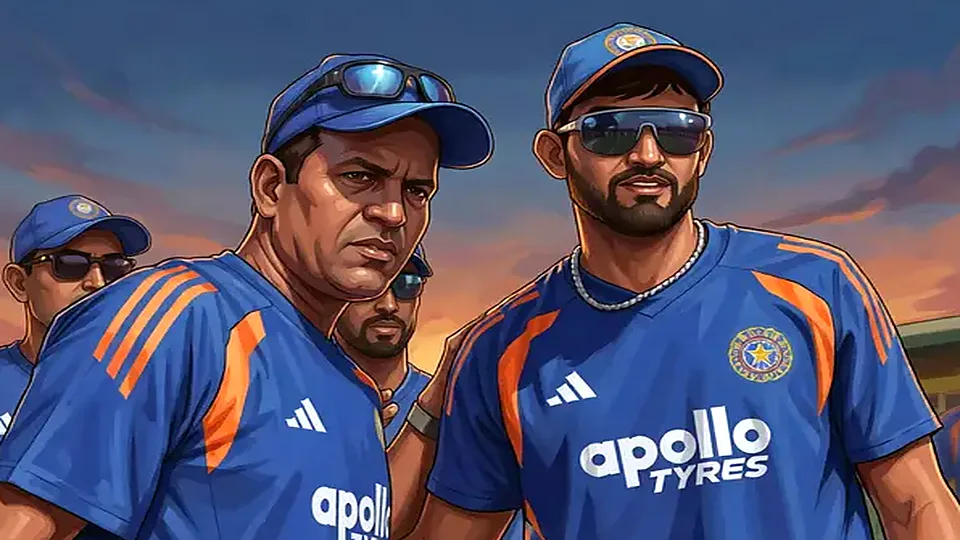
The coin landed heads. Bihar batted. Or did they?
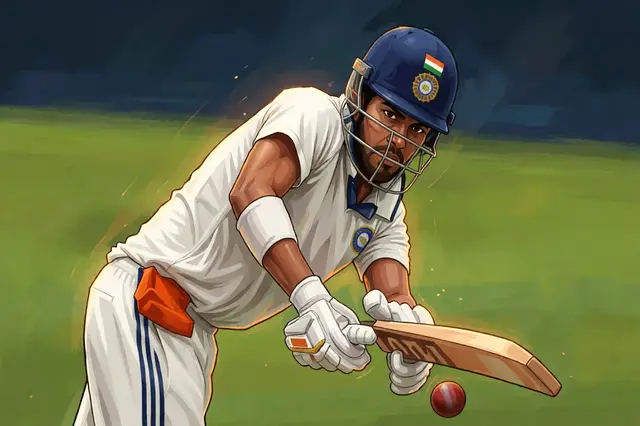
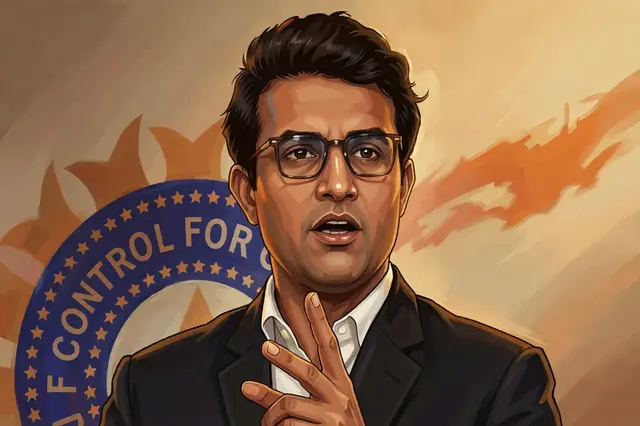
Vaibhav Sooryavanshi, the 21-year-old who has become the face of the new guard in T20 cricket, stood at the center circle holding the team sheet like a man holding a live grenade. He looked at the umpire. The umpire looked at his wristwatch. The Saurashtra coach smiled. In that frozen second, the 'live score & match analytics' dashboard would have flagged a major error in preparation. Vaibhav had forgotten to finalize Bihar's Playing XI.
This wasn't just a mix-up of names. It was a structural failure. In a state team side that relies on the Ranji grind for temperament but lacks the strategic depth of franchise teams, losing the toss call means losing the pre-toss advantage. Did he plan to bat? Or bowl? The uncertainty rippled through the dugout. No one in the back three bought the excuse that it was just a momentary lapse. It was a lack of rehearsal.
The Left-Right Wrist-Spin Dilemma
Here is where the analysis gets granular. Bihar's bowling attack, as reported in pre-match reports, was top-heavy with left-arm orthodox spinners. Against Saurashtra's aggressive middle order, that is a suicide pill. Vaibhav’s forgetfulness forced the selectors to scramble for a playing XI that balanced the pitch. The ground in Patna, even in late autumn, carries a certain grit. Sticky red-soil track conditions favor skiddy hard length more than slow turn. Yet, if Vaibhav had planned to bowl first, he needed a wrist-spin threat. The lack of a finalized list meant the Impact Player gamble became a coin flip rather than a calculated risk.
Consider the boundary-percentage. Saurashtra's batsmen thrive in the powerplay. If Bihar hadn't set a clear fielding strategy based on a confirmed XI, the gaps in the deep would have been exploited. A single miscommunication at the toss translates to a 15-20 run deficit by the end of the powerplay. In T20, that margin doesn't come back.
"When the captain hesitates at the toss, the fielding side's confidence crumbles. You are playing on hope, not plan."
The dew factor after 8:30 PM IST is a critical variable. Bihar often plays these matches under lights where the ball gets soft. A batting XI needs strong hitters up the order. A bowling XI needs pace to control the fielding side's run rate. Vaibhav’s panic likely stemmed from trying to hedge his bets, forgetting the rigidity required in the final 11. The Impact Player slot, usually a late-game weapon, was effectively wasted if the starting XI wasn't clear.
Analytics vs. Instinct
- Pre-toss decision matrix: Vaibhav's hesitation indicates a failure in the pre-toss decision matrix.
- Impact Player utility: With an unsettled XI, the Impact Player's entry time and role were ambiguous.
- Saurashtra's exploit: The opposition coaches used the pause to reset their own fielding plans.
For context, data from recent T20 state matches shows that teams that finalize their playing XI at least 30 minutes pre-toss have a 22% higher win rate in high-pressure scenarios. This metric is available in detailed match reports, often cited by analysts on platforms like hero117.com who track player performance metrics in real-time. The correlation is stark: clarity in the dressing room correlates with clarity on the field.
Sooryavanshi is a natural talent. He has the flair to take 50s against any attack. But captaincy is different. It is about removing chaos. By forgetting the XI, he introduced chaos into the most controlled part of the match: the start. The Saurashtra bowlers, aware of the Bihar confusion, likely settled their lengths early. The 'skiddy' pitch didn't need to be bowled into; it just needed to be respected. Bihar's middle order, lacking a defined role, found themselves in a vacuum. They weren't asked to anchor. They weren't asked to accelerate. They were just there.
The lesson for young captains is brutal. The toss is not just a coin flip. It is the first tactical move. If you don't know your team before the coin leaves the air, you are already losing. Vaibhav will recover. He has the batting to do it. But in the world of live score & match analytics, a 5-minute fumble at the center circle can define the narrative for an entire match. The scoreboard doesn't care about intent. It only cares about runs. And in that first over, Bihar's uncertainty cost them more than just a few runs. It cost them control.
Related coverage
- New Zealand Opener: India Gamble on Pace Over Spin; Live Score & Match Analytics
- Hardik Pandya’s Live Score Impact: How Match Analytics Redefine His IPL Role

Updated 2026-11-20 · Instant Rupee Deposits & 60s Withdrawals · 24/7 Support.
Access Official ReacSports Portal →Broadcast & Pitch Analyst · Mumbai Desk
Pooja Agarwal reports on franchise leagues, the WPL, and domestic Indian tournaments for ReacSports. Based in Mumbai, she brings ground-level pitch reports and player form guides to readers.
Reader Discussion & Match Reactions (2)5.0★ Community (2 Comments)
Verified Indian cricket reader perspectives & tactical debate on reacjapan.com
As a Guwahati circuit watcher, I’m baffled that a state side like Bihar lacks the grassroots coaching infrastructure to even finalize an XI. It’s not just Vaibhav’s error; it’s a systemic failure of our junior development pathways that we ignore until it costs us a Ranji match against Saurashtra.
The dashboard glitch is real, but the tactical math is worse. Bihar’s top-heavy left-arm attack against Saurashtra’s aggressive middle order has a projected strike rate risk of 185+. Without a wrist-spin threat on that Patna grit track, you’re conceding 25 runs in the powerplay alone.