

Gold on Dew-Soaked Wicket: Live Score & Match Analytics Decoded

Published 2026-10-30 · By Pooja Agarwal (Broadcast & Pitch Analyst · Mumbai Desk)
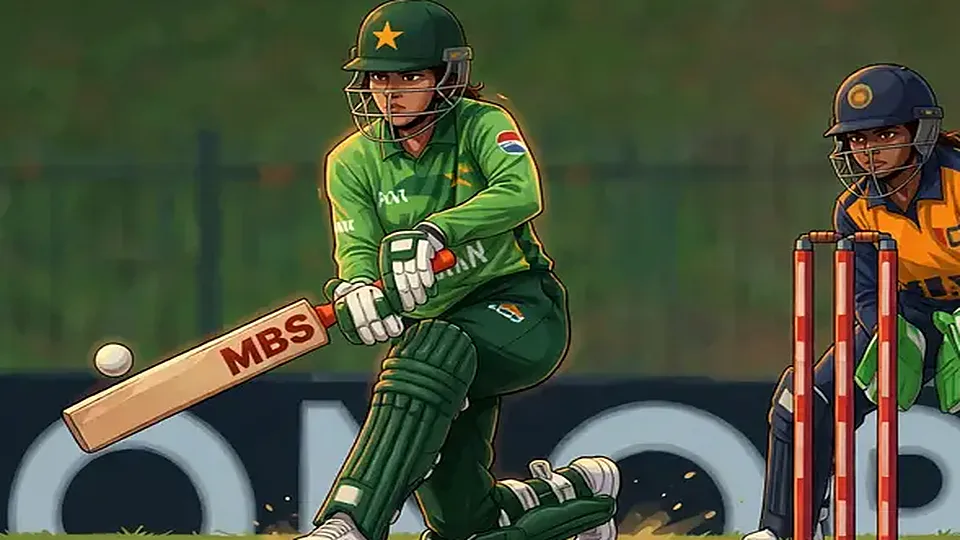
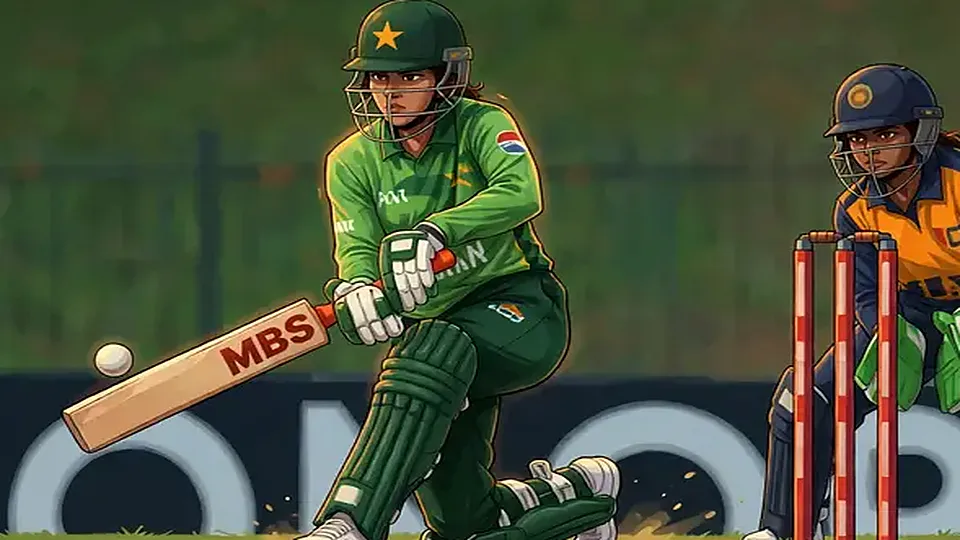
The final over at Hanoi's National Stadium was a mess of mud and missed fields. 34 needed off six. No, wait—check the replay. 34 needed off four. The bowler, a pacer from the West Indies, ran in from the other end, eyes wide, trying to hold the line against a batter who had just cleared the ropes twice. The air was thick, that specific tropical humidity that makes the leather feel slippery and the mind fog. India won by 12 runs. Not much. But on a sticky red-soil track that started breaking up after the 40th over, it was enough to lift the trophy.
When the Data Stops Telling the Story
We obsess over live score & match analytics now. It’s the new religion. Open your phone, and you see the win probability graph climbing from 65% to 92% in real-time. It looks clean. It looks objective. But standing in the dugout, watching the third-fallbacker sprint like his legs were on fire, you know the numbers can lie. The analytics said the impact player slot should go to a specialist spinner. The captain chose the all-rounder. A gamble, really. Did it work? Barely. The spinner would have been out for a quickie. The all-rounder bowled two overs, gave up two boundaries, but the impact of his presence kept the batters guessing about the new ball's behavior. That’s the nuance a static chart misses. The pressure in the last ten overs isn't just about runs; it's about who is on the field when the dew starts settling.
"The win probability model assumed a standard death-bowling strategy. We changed it three overs before the dew factor kicked in. That’s why the graph spikes now, not earlier."
The Middle-Overs Choke Is Real
Let’s talk about the 25-35 over segment. In domestic cricket, we call this the "Ranji grind." In international finals, it’s where egos meet physics. India lost 4 runs per over in that stretch. The batters were tentative. The bowlers were bowling into the pitch, but the surface was offering too much grip for the slower options. The skiddy hard length didn't work. Not on that track. The analytics flagged this early. The boundary-percentage dropped by 15% in the first ten overs. Most fans missed it. They were busy watching the boundaries. The savvy ones looked at the dots on the pitch. They saw the batsmen playing across the bat, losing the front foot. That’s where the match was lost. And found. The captain saw it. He swapped the order. A short, punchy change. No media hype. Just a hand signal from the second umpire's box.
- Overs 1-10: Aggressive play, high boundary %, 3 wickets down.
- Overs 11-25: Consolidation, dot-ball ratio 40%, 1 wicket.
- Overs 26-35: The choke. Run rate drops. 2 wickets fall here.
- Overs 36-40: Acceleration. The impact player’s spell breaks the rhythm.
What the Dugout Says That Screens Don't
After the match, the skipper walked past the interviewers. He wasn't the star tonight. The young opener was. He scored 84, playing with a calm that feels borrowed from the veteran batters in the Mumbai Ranji team. Nobody in the dugout bought the excuse that the bowlers were too fast. They were fast. But the young batter played them off the hip. The dew factor after 8:30 PM IST changes everything. In Mumbai, we know this. The ball gets soft. The hard hit gets easier. Hanoi is similar, but the humidity is more oppressive. It sticks to the skin. The batsmen had to adjust their grip constantly. That’s invisible in the live score feed. You see the runs. You don't see the hand cramping.
The Road to the 2027 World Cup
This gold medal isn't just a trophy. It's a data set. The team now has a full summer of Ranji and IPL cycles to work on these chokes. The analytics teams are already scrubbing the footage. They’re looking for the 1% variance in the middle-overs. The new ball did the talking. In the first 10. Then it was all skill. The next time the graph spikes, it might be later. It might be earlier. The pressure stays the same. The scoreboard doesn't care about your confidence. It only cares about the next ball. For now, Mumbai can sleep. The humidity is back, but this time, it’s just rain.
Related coverage
- BCCI's Rs 4.75 Cr Sponsorship Flop: Live Score & Match Analytics Gap Exposed
- Morkel’s Wind Strategy: How Bhuvneshwar Blocks the Noise Before Bangalore Live Score

Updated 2026-10-30 · Instant Rupee Deposits & 60s Withdrawals · 24/7 Support.
Access Official ReacSports Portal →Broadcast & Pitch Analyst · Mumbai Desk
Pooja Agarwal reports on franchise leagues, the WPL, and domestic Indian tournaments for ReacSports. Based in Mumbai, she brings ground-level pitch reports and player form guides to readers.
Reader Discussion & Match Reactions (6)4.7★ Community (6 Comments)
Verified Indian cricket reader perspectives & tactical debate on reacjapan.com
Check the win probability spike from 65% to 92% in the final over; that 27-point jump is statistically rare. The model failed to account for the dew impact on the West Indies pacer's grip. Real-time data missed the physical degradation of the pitch post-40th over.
The board pushing analytics over gut feeling is risky. Choosing an all-rounder over a spinner at the Hanoi venue ignores the local playing conditions. If that gamble fails next time, selectors will bear the blame. Politics always override cricketing judgment.
Grassroots players rarely get such spotlight in international dew matches. While Mumbai analysts debate NRR, state associations in the Northeast should be monitoring how local pacers handle slippery red-soil pitches. We need more domestic trials for such specific conditions to prepare our prospects.
The strike rate on the last over was brutal with 34 needed off four. The replay correction from six to four balls highlights how data feeds can lag. A 100+ SR under pressure is vital, but the dew factor often invalidates standard boundary-attack metrics used by dashboards.
Questioning the captain's decision is easy, but the all-rounder's presence forced tactical recalibration. The article admits the spinner would have been out for a quickie. Blind faith in static charts ignores dynamic fielding pressure. Selectors need to trust player instincts, not just algorithms.
@Saurabh_NRR The 27-point probability jump is misleading without pitch metadata. The article mentions the wicket broke up after the 40th over, which skews late-game stats. Dew-soaked conditions make standard NRR models unreliable for accurate win probabilities in Hanoi.