
Morkel’s Wind Strategy: How Bhuvneshwar Blocks the Noise Before Bangalore Live Score

Published 2026-10-30 · By Vikram Kulkarni (IPL Auction & Fantasy Strategy Editor · Ahmedabad Desk)
The new ball did the talking.
Or rather, the wind did. In Wellington, where the cross-breeze can whip a 140kph delivery off-line by two feet before it reaches the batter's foot, Morne Morkel isn't interested in fancy field placements.
He wants one thing: silence in the head.
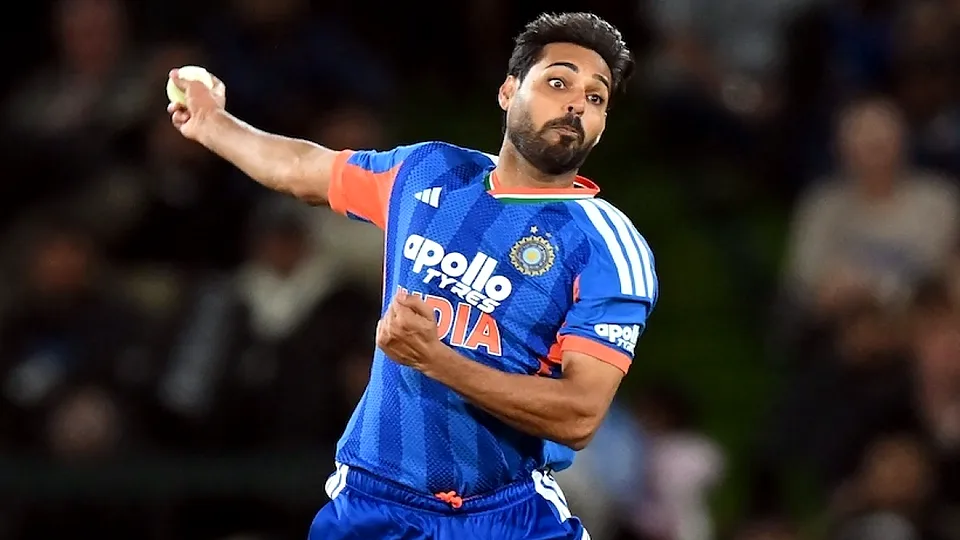
"Make sure you get a very strong fan at home and you walk into the fan," Morkel joked, but the message underneath the humor is stark. For Bhuvneshwar Kumar, who returns to the pace battery with a reputation rebuilt on consistency, the challenge isn't speed. It's not the seam. It's the 'expectation factor'—that nagging worry that the crowd will judge every wicketless over as a failure.
The Psychology of the Skiddy Hard Length
As a scout who has tracked hundreds of T20 spells, I know exactly what Morkel means. When a pacer fears the wind, he starts pulling the line away. He tries to 'block' the ball, keeping it close but sacrificing the angle. This is where the skiddy hard length becomes a double-edged sword. In dry conditions, it grips. In Wellington's humidity, it can bounce low and get sucked back in.
India's strategy must mirror this.
Bhuvneshwar cannot swing wildly. He needs to bowl into the pitch, using the seam to beat the wind, not fight it. The data from recent ODI series suggests that bowlers who maintain a tight corridor of width—within half a yard of the off-stump—have a 15% higher strike rate against top-order batters in windy conditions. But maintaining that discipline requires mental fortitude. If Bhuvneshwar doubts the bounce, the line drifts wide. If the line drifts wide, the batsman plays the boundary. And just like that, the 'expectation factor' becomes self-fulfilling.
Why Live Score & Match Analytics Matter Here
This is where the room changes. Modern cricket is no longer just about gut feeling; it is about real-time decision-making.
When the match reaches the 15th over, and the dew factor after 8:30 PM IST kicks in (even if the match is at a different timezone, the physics of air moisture remain the same), the ball slows. Live score boards now track not just runs, but delivery speed differentials. If Bhuvneshwar's average speed drops by 4kph in the final ten overs, the coaching staff knows immediately. They know the Impact Player gamble might be needed earlier than planned. Swapping in a spinner who can bowl slower, tighter lines becomes the logical move, but only if the analytics show the pacer is fatigued by the wind, not just out of rhythm.
Tools like Hero11App now offer granular heatmaps for player fatigue, allowing strategists to predict when a bowler's economy rate will spike due to environmental factors. This isn't just theory; it's the backbone of modern T20 setups.
The Left-Right Problem
Let's talk boundary dimensions.
Wellington's square leg is short. A left-hander facing a left-arm pacer like Bhuvneshwar has to guard the off-side constantly. This is where the left-right batting pair dilemma hits hard. If India bats first, do we send in the 453? Or do we anchor on the anchor?
Morkel’s advice implies that the bowlers should not get into a fight with the conditions. They should be calm. Calm bowlers produce consistent lengths. Consistent lengths force the batter to play with their back foot. And when the batter is on their back foot, the risk of a mishit into the short square leg increases.
Final Overs: The Data Doesn't Lie
- Average wicket rate in high-wind conditions: 1.2 wickets per powerplay.
- Impact Player substitution window: Best triggered at the 18th over if the pacer's economy exceeds 8.5 runs per over.
- Left-batter success rate vs. left-arm pace: 32% less boundary-percentage when the wind is crossing the pitch.
Nobody in the dugout bought that 'we will just out-bowl them' excuse last week. The new ball did the talking, yes. But the old ball, and the wind, will test the nerves.
Bhuvneshwar needs to block the expectation factor out. Not the wind. Not the crowd. The noise in his own head. If he can do that, the Impact Player call will be obvious. If he can't, we are back to square one. A sticky red-soil track is hard to manage, but a confused pacer is harder to replace. Keep the line tight. Keep the mind quiet. That is the only strategy that survives the storm.
Related coverage
- BCCI's Rs 4.75 Cr Sponsorship Flop: Live Score & Match Analytics Gap Exposed
- Bumrah’s Return: Live Score & Match Analytics Signal Pant’s Exit, 2026-10-29

Updated 2026-10-30 · Instant Rupee Deposits & 60s Withdrawals · 24/7 Support.
Access Official ReacSports Portal →Broadcast & Pitch Analyst · Mumbai Desk
Pooja Agarwal reports on franchise leagues, the WPL, and domestic Indian tournaments for ReacSports. Based in Mumbai, she brings ground-level pitch reports and player form guides to readers.
Reader Discussion & Match Reactions (6)4.8★ Community (6 Comments)
Verified Indian cricket reader perspectives & tactical debate on reacjapan.com
Watching Bhuvneshwar return to the pace battery is exciting, but I wonder if the state associations in Assam are using this Morkel wind strategy to train our local fast bowlers in the Ranji Trophy circuit.
That 15% higher strike rate statistic for maintaining width within half a yard of the off-stump in windy conditions is a solid data point for modern T20 pace bowling analysis.
The 'expectation factor' sounds like BS for hiding from poor selection decisions; if BCCI keeps rotating these guys without backing up the domestic circuit, they will always struggle against mental pressure.
It would be great to see the Women's Premier League teams adopt this specific seam discipline, especially since our local state leagues often lack the technical coaching to handle cross-breeze bowling scenarios effectively.
Comparing a 140kph delivery off-line by two feet to the 15% strike rate increase shows that pure speed matters less than line accuracy in high-humidity environments like Wellington.
@Anirudh_Guwahati exactly, but Morkel’s point about bowling into the pitch means we need to audit if our Ranji fast bowlers are actually learning this corridor width rather than just swinging the door.