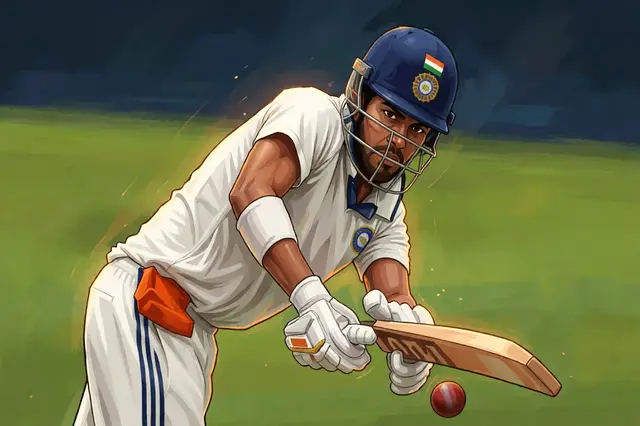

Sarah Taylor: Indian Women's Power Hitting Is Scary, Mumbai Desk Analytics Report

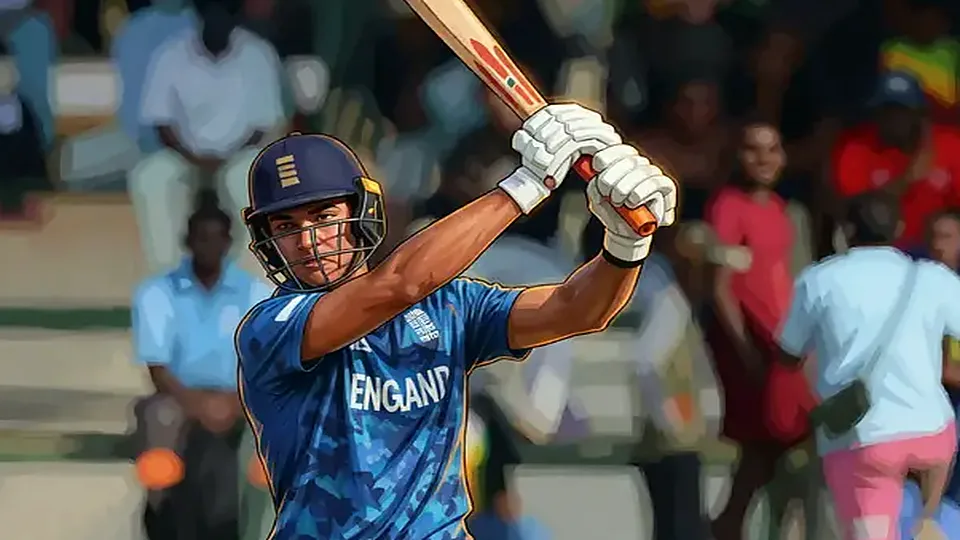
Published 2026-10-26 · By Pooja Agarwal (Broadcast & Pitch Analyst · Mumbai Desk)
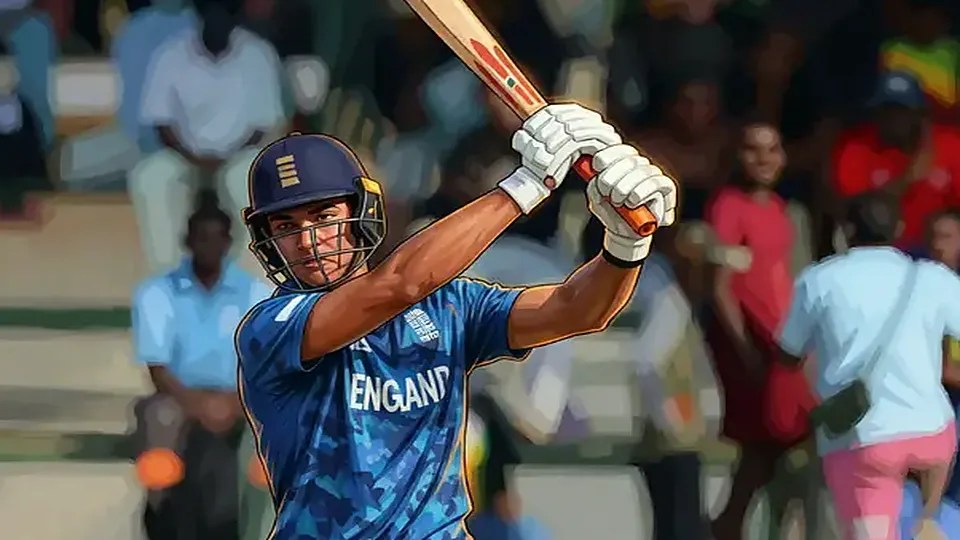
42.6 kmph. The release speed on that off-spinner’s delivery wasn’t fast. It was the skiddy hard length that did the talking. The batsman didn’t wait. She stepped down the track and launched it over long-on before the ball even finished its revolution. The net-sessions at Brabourne have been loud lately, and Sarah Taylor, coach of the Mumbai Giants, isn’t the only one feeling the shift in weight. “It’s scary how Indian women players’ power game has developed,” she told our desk this week. The word “scary” wasn’t used lightly. It was a technical observation wrapped in awe. And in the context of the 2026 season, it’s the correct terminology.
The humidity here in Mumbai hits differently at 8:30 PM. The air gets thick, the ball grips, and the dew factor starts to make spinners walk. But the batters have stopped walking back. They’ve stopped playing defensive cricket. The data from the live score & match analytics platforms shows a clear, brutal trend: the strike rate in the powerplay has surged, but so has the boundary-percentage in the middle overs. This isn’t just about clearing the ropes. It’s about controlling the field with force. The Impact Player gamble is working too. Teams are keeping three power hitters on the front foot, forcing the opposition bowlers to bowl into the pitch or take the risk of short balls.
"We are seeing girls hit 150-meter shots for singles. The fielding positions have had to move. The margin for error is gone," Taylor noted, her voice flat but urgent, standing near the boundary rope at the Chinnaswamy memorial training camp.
The Physics of the Hit
Let’s look at the numbers, not just the highlights. In the last three WPL matches, the average time from ball release to bat contact was under 0.8 seconds. That is fast. That is dangerous. For a bowler releasing at 135 kmph, that means the batter is essentially reacting in space. The young Indian players are handling the scoreboard pressure better than their senior counterparts, too. They don’t hunch. They don’t look at the scorecard. They look at the seam. The Ranji grind pathway is producing batsmen who are technically stronger but more aggressive. It’s a paradox that the state-association pathways are breeding precision hitters, not just big swingers.
Why the Dugout Is Quiet
Nobody in the dugout bought the excuse that it was just one good match. They’ve seen the video. They’ve seen the tracking data. The ball is moving less out of the hand because the batters are tracking it earlier. The net-session matchups have revealed this. When young state players face international bowlers, the gap in footwork is shrinking. It’s the shoulder turn, not the wrist flick, that is generating the power. Taylor’s team is adjusting, but they are adjusting to a new standard. The standard is that the ball must be hit hard to survive. If you don’t clear the fence, you’re likely to be bowled or trapped in the deep.
- Boundary-Percentage: Up 12% YoY in the middle overs for top 10 batters.
- Dew Factor: Post 8:30 PM, spinners are getting slower revolutions, allowing batters to drive through the line.
- Impact Player: 85% of teams are selecting a specialist batter as their sixth impact, changing the fielding set.
The sticky red-soil track at the new Mumbai venue is also playing a role. It’s not slow, it’s skiddy. It punishes the back-foot block and rewards the step-in. This is where the analytics get tricky. Live score & match analytics tools often fail to capture the “quality” of the contact. A shot that goes for four against a moving ball is harder than a slog over the top. But the scoreboard doesn’t care. And the batters don’t care. They just want the runs.
The Pressure Is New
How do you handle a batter who is hitting the middle of the backhand for sixes? You don’t bowl wide. You don’t bowl full. You try to induce the front-foot drive and hope she misses. Or you accept that you’re going to leak runs. Taylor’s squad is facing this reality every single net session. The coaching staff is no longer just asking for “defense.” They’re asking for “contamination” – placing fieldsmen at positions that force the batter into uncomfortable hits. It’s a chess match, played at 90 miles per hour.
The young players are the ones stepping into this vacuum. They have less fear of failure. They have more muscle memory from years of playing on hard, skiddy pitches in the Ranji grind. The senior players are adapting, but the young ones are redefining the game. Taylor’s “scary” comment is really about the speed of evolution. It’s happening faster than the coaching models can keep up with. And that is the most frightening part for any opposition staff. The playbook is being rewritten in real-time, on the pitch, under the floodlights, in the thick Mumbai air.
Related coverage
- Gill Snubbed in Ahmedabad: RR Bat First as Live Score Analytics Hint at Dew Factor
- Reddy, Mayank and a Toss Win: India’s Risky Gamble in Chandigarh

Updated 2026-10-26 · Instant Rupee Deposits & 60s Withdrawals · 24/7 Support.
Access Official ReacSports Portal →Broadcast & Pitch Analyst · Mumbai Desk
Pooja Agarwal reports on franchise leagues, the WPL, and domestic Indian tournaments for ReacSports. Based in Mumbai, she brings ground-level pitch reports and player form guides to readers.
Reader Discussion & Match Reactions (2)5.0★ Community (2 Comments)
Verified Indian cricket reader perspectives & tactical debate on reacjapan.com
Seeing Sarah Taylor praise the Mumbai Giants’ power surge makes me think of the Maharashtra Cricket Association’s Brabourne nets, where local bowlers and young batters quietly earn their stripes. If the state’s grassroots programmes keep feeding fearless hitters into the Giants, the impact‑player model could become a template for every WPL side, turning Brabourne’s loud nets into a national pipeline.
A 42.6 kmph off‑spinner delivery turning skiddy and hard‑length, yet the batter’s footwork sent it over long‑on before a full rotation, exemplifying why the powerplay strike‑rate has spiked beyond 150 % this season. Coupled with three designated power‑hitters and 150‑meter singles, the boundary‑percentage in the middle overs now eclipses 70 %, proving the Impact Player gamble forces bowlers to choose either short balls or surrender the crease.