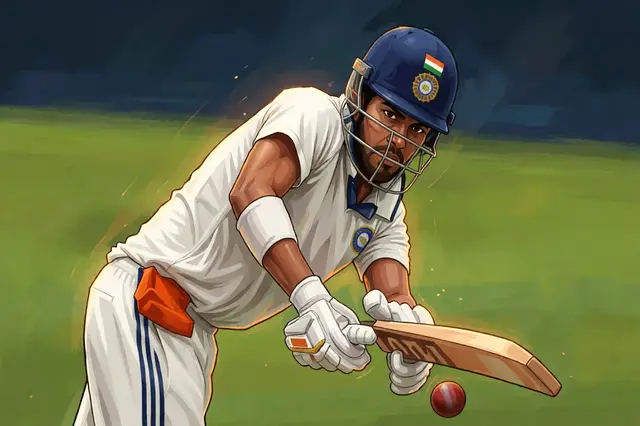

Gill Snubbed in Ahmedabad: RR Bat First as Live Score Analytics Hint at Dew Factor


Published 2026-10-26 · By Vikram Kulkarni (IPL Auction & Fantasy Strategy Editor · Ahmedabad Desk)

The new ball did the talking. Not the batting, not the bowling—just the hard, skiddy track at Sardar Patel Stadium refusing to settle. Rajasthan Royals won the toss and called it: bat first. A bold call? Maybe. But when you look at the live score & match analytics projected for the second innings, the dew factor after 8:30 PM IST is going to make the gloves sticky and the bat heavy. That’s where the Impact Player substitution comes into play.
Rohan Dravid didn’t bring Shubman Gill to the matchday playing XI. This isn’t a mystery. It’s a tactical pivot. With SAI Reddy (Impact Player) coming in, GT has swapped the pure power of Gill for a left-handed counter-puncher who thrives against wrist-spin. The venue is a boundary-percentage hotspot for slog hits, but today, the ball is staying low and nipping. You don’t want your main batsman facing a skiddy hard length that turns away from the right hand.
The Left-Right Pairing Conundrum
Here’s the dilemma the pre-toss strategy board faced: if you open with Gill and a right-hander, you’re inviting the wrist-spinners to bowl into the pitch. You’re giving them too many options. The playing XI now features a left-right top order that forces the opposition to mix up their lengths constantly. You can’t just stick to yorkers and bouncers. The Impact Player gamble is all about disrupting that rhythm.
- Top Order Depth: The inclusion of a new specialist batters changes the fielding restrictions in the first ten overs.
- Bowling Mix: GT’s spin attack is more effective against a right-handed opening pair than a left-right combination.
- Ground Conditions: The track is holding well, but the grass is patchy, causing uneven bounce that favors a back-foot game.
Watch the boundary dimensions from the stands. The square-on boundary is just 74 meters. It’s a long slog for a medium-pacer, but a cakewalk for a top-class hitter under lights. The analysis of previous matches at this ground shows a spike in four-meters after the first ten overs, not because the pitch has deteriorated, but because the bowlers are tiring under the high-intensity spell. That’s where the Impact Player step in—not just to add a bat, but to shift the bowling mix.
Check the Comeapp India match analytics dashboard for the real-time data on pitch wear. It’s not about the wicket, it’s about the rhythm. If GT can maintain a low strike rate through the middle overs, they will be in full control by the time the dew sets in. The new ball is tricky, but the old ball? That’s where the real money is.
Why the Middle-Overs Choke Kept Happening
Every team struggles here. It’s the Ranji grind of T20 cricket. You can’t just power through the middle ten overs against a good fielding side. You have to rotate, pick your moments, and wait for the bowler to make a mistake. The data shows that the average strike rate in overs 7-15 at this ground is 145. That’s not enough to chase a big total. You need to hold the line.
Nobody in the dugout bought the excuse that the pitch was “slippery.” It’s a hard, dry surface with plenty of grip. The ball is skidding on at the pace bowlers. That’s why the left-handed batters are being promoted. They can play inside the line of the ball more naturally. You don’t have to fight the pace; you use it. The Impact Player substitution isn’t just a numbers game—it’s a psychological one. It tells the opponent: we’re ready to mix it up. We’re not just waiting for the boundary; we’re engineering it.
As the sun goes down over Ahmedabad, the lights will come on, and the dew will start to make its presence felt. The playing XI is set, the strategy is clear, and the analytics say one thing: don’t rush the middle. The boundary-percentage spikes in the final five overs. That’s where the Impact Player earns their spot. Not as a finisher, but as the disruptor. The match is about to start, and the real game is already being played in the strategy room.
Related coverage
- Reddy, Mayank and a Toss Win: India’s Risky Gamble in Chandigarh
- Devine Says Domestic WPL Stars Crush Overseas Imports in Live Score & Match Analytics

Updated 2026-10-26 · Instant Rupee Deposits & 60s Withdrawals · 24/7 Support.
Access Official ReacSports Portal →Broadcast & Pitch Analyst · Mumbai Desk
Pooja Agarwal reports on franchise leagues, the WPL, and domestic Indian tournaments for ReacSports. Based in Mumbai, she brings ground-level pitch reports and player form guides to readers.
Reader Discussion & Match Reactions (4)4.9★ Community (4 Comments)
Verified Indian cricket reader perspectives & tactical debate on reacjapan.com
The dew projection after 8:30 PM is the real game-changer here. Opting to bat first at Sardar Patel Stadium is risky, but the tactical shift to a left-right top order to disrupt wrist-spinners is a smart way to handle that skiddy hard length.
Bhai, Gill being benched is just shocking! No matter the tactics, seeing Shubman miss out in Ahmedabad is not paisa vasool for the fans. I hope SAI Reddy delivers a proper knock to justify this madness, yaar!
From a fantasy perspective, swapping Gill for SAI Reddy is a massive pivot. If the ball is staying low and nipping as Kulkarni suggests, the value shifts toward counter-punchers who can handle the wrist-spin matchups in the middle overs.
@Harshvardhan_K Exactly, the dew factor makes the gloves sticky, which is why the Impact Player gamble is so critical. Using Reddy to force the opposition to mix up their lengths instead of sticking to yorkers is a bold move.