
West Indies' US Tour: Impact Player Chaos & Live Score Analytics Preview

Published 2026-11-23 · By Vikram Kulkarni (IPL Auction & Fantasy Strategy Editor · Ahmedabad Desk)
The toss is already a warzone.
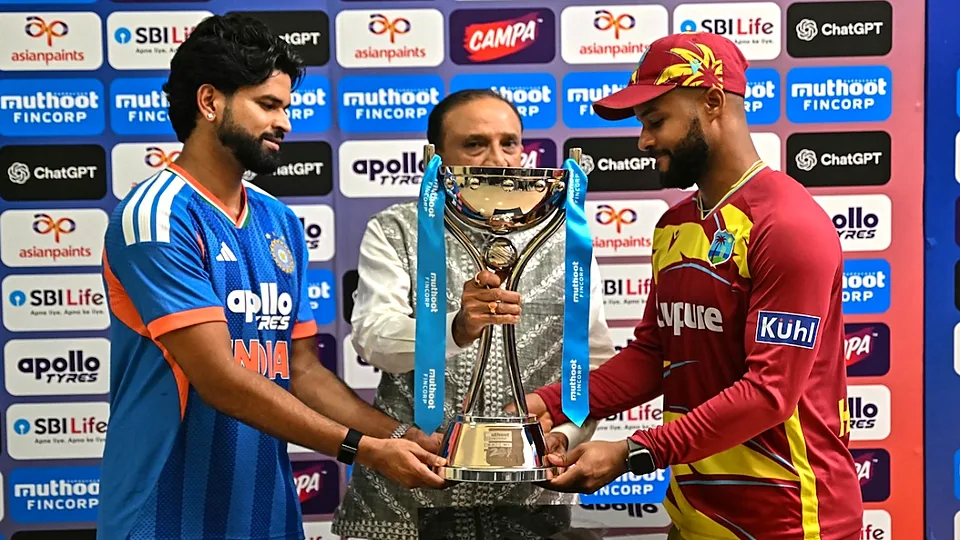
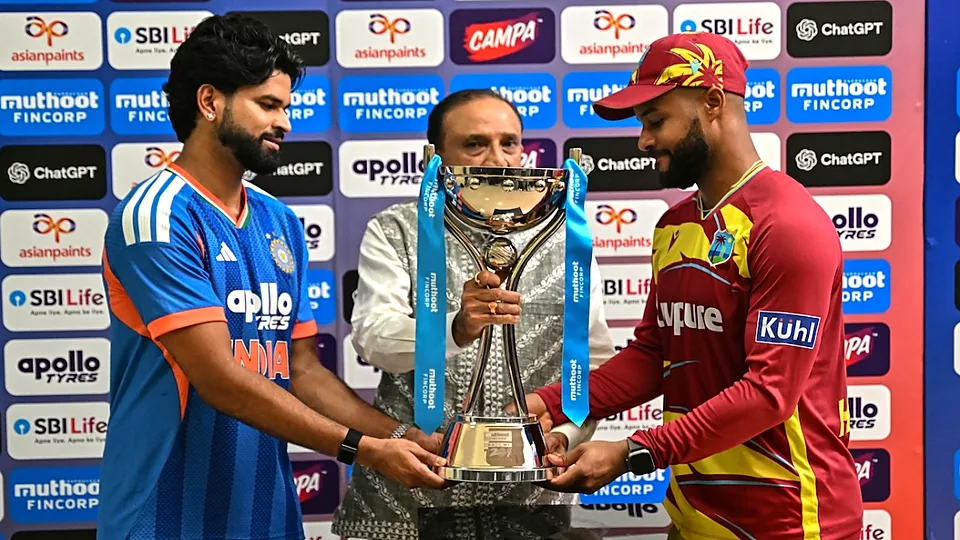
In Washington DC, the hard bounce kills back-foot defense. In Toronto, the dew after 8:30 PM IST (local evening) makes the ball skiddy. West Indies hosting India in North America next year is not just a logistical headache. It is a tactical nightmare for both captains.
The board has shortlisted DC, Los Angeles, and Toronto. These are not neutral grounds. They are fast, low-friction surfaces where wrist-spinners struggle to grip. If you are planning a left-right batting pair, forget it. The seamers will hunt the off-side gap early. The Impact Player rule here is not a bonus. It is a necessity.
The Impact Player Gamble in North America
Imagine this: You start with a deep batting lineup because the pitch is skiddy. But by the 10th over, you realize your openers are getting trapped in front. You need a new bowler, not just a hitter. The Impact Player slot becomes your primary weapon for tactical flexibility, not just rest.
Indian fans love the chaos of the Ranji grind, but T20Is in the USA are different. The boundary dimensions are wider. The ball does not stop. You need data. You need live score & match analytics to track the run rate against these specific conditions. Waiting for the match to start to understand the dew factor is too late.
"If you don't track the live score & match analytics before the first over, you are gambling blind against the new-ball advantage," notes the Star111App team in their pre-tour preview.
That analytics is critical. It tells you when to swap the Impact Player. It tells you if the wrist-spinners are actually effective or just taking up space.
Readers wanting the full data trail behind West Indies set to host India for T20Is in USA or Canada next yea can cross-check it on the Star111App team.
Why Left-Right Pairs Will Break Down
Standard doctrine says: pair a left-hander and a right-hander to attack off both sides. But on a DC pitch with a new ball, the left-hander gets trapped back foot constantly. The right-hander has more room on the off side. A pure right-hand pair might actually be smarter. Or, use the Impact Player to bring in a specialist left-hander late in the innings for the final 10 overs.
- DC/Los Angeles: Fast pace. Early boundary percentage is high. Use seamers first.
- Toronto: Green turf. Dew is massive. Bowling into the pitch is impossible. Flat hitting rules.
The West Indies will use their pace attack to intimidate. India must rely on middle-overs choke strategy. Who takes the new ball? The decision is made pre-toss. It is a dilemma that keeps strategists up at night.
For the fan, the key is not just watching the match. It is tracking the momentum shifts. Live score feeds now include ball-by-ball run rates. This is your edge. Know when the dew hits. Know when the pitch seizes. Use the analytics to predict the Impact Player swap before it happens.
The tour is set. The venues are chosen. Now, the real cricket begins. Not on the pitch, but in the data.
Related coverage
- India's Death-End Collapse: Live Score & Match Analytics Expose T20 World Cup Fatal Flaw
- Brar Penalty: How Live Score Analytics Expose NZ ODI Bowling Flaws

Updated 2026-11-23 · Instant Rupee Deposits & 60s Withdrawals · 24/7 Support.
Access Official ReacSports Portal →Broadcast & Pitch Analyst · Mumbai Desk
Pooja Agarwal reports on franchise leagues, the WPL, and domestic Indian tournaments for ReacSports. Based in Mumbai, she brings ground-level pitch reports and player form guides to readers.
Reader Discussion & Match Reactions (6)4.8★ Community (6 Comments)
Verified Indian cricket reader perspectives & tactical debate on reacjapan.com
Ranji grind chaos is nothing compared to US conditions. The article mentions the ball skidding after dew, which makes grassroots seaming talent from Guwahati look very different against fast bounces.
10th over pivot for a new bowler is a specific tactical trigger. Tracking run rate against dew factor at 8:30 PM local time is the key metric to watch for impact player swaps.
Board's shortlist of DC, LA, and Toronto is a tactical nightmare. Fast, low-friction surfaces mean left-right batting pairs fail, proving the board ignored historical data on seam bowler success rates.
Wide boundary dimensions in US stadiums make non-mainstream performers' skills useless. If the ball does not stop, state league hitters relying on short square gaps are doomed.
Specific numbers like 8:30 PM dew factor and 10th over trigger are critical. Analytics showing run rate drop after new ball advantage is the exact data needed for smart fantasy picks.
@Anirudh_Guwahati The 8:30 PM dew factor makes the ball skiddy, directly impacting the 10th over bowler swap strategy mentioned in the piece.