
WPL Analytics: How Data Drives India T20 Selection & Live Score Tracking

Published 2026-11-18 · By Pooja Agarwal (Broadcast & Pitch Analyst · Mumbai Desk)
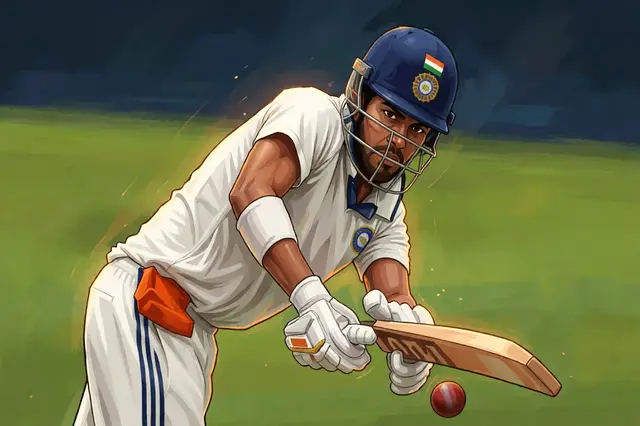
The stopwatch at Brabourne hits 4:15 PM, and the humidity hangs heavy enough to weigh down a leather ball before it even leaves the hand. Harmanpreet Kaur isn’t just watching the net practice; she’s watching the data. In a shift that feels almost seismic in Indian domestic cricket, the former ODI captain is telling her squad that the Women’s Premier League isn’t just a cash cow—it’s a high-stakes audition theater where live score & match analytics decide who gets the red jacket.
Forget the old-school 'run of form' debates. That is dead. Kaur’s new mantra is simple: if you cannot read the analytics, you will not survive the pace of the T20 World Cup.
The Death of the Intuitive Bat
For years, Ranji grind mentality dominated women’s domestic cricket. We played 'good cricket' based on feel, on the sticky red-soil track of Delhi or the skiddy hard length of Chennai. But the World Cup doesn’t care about your state association pedigree. It cares about your strike rate against short-pitched bowling in the death overs. It cares about your boundary-percentage against left-arm wrist spin. It cares about the dew factor after 8:30 PM IST.
Kaur is demanding that players use WPL to build a digital resume. Not just runs and wickets, but the specific, granular data points that selectors now live inside.
"You cannot hide in the big game. The analytics strip away the excuses. If your impact on the scoreline isn’t in the data, you aren’t ready for India.", Harmanpreet Kaur told the squad in Mumbai.
This is a hard pill to swallow for the veterans who remember when a captain’s call was based on a handshake and a nod. Now, it’s based on a spreadsheet.
Why the Middle-Overs Choke Keep Happening
Here is the crux of the new selection logic: the middle overs. In the T20 format, that is where games are won and lost. Domestic players often struggle here because state-level games lack the strategic depth of the WPL. You don’t get to play against a rotating bowling attack that includes two Impact Players in a Ranji match.
So, the WPL becomes the training ground. But only if you are reading the room. If you are watching the match analytics live, you know when to push and when to consolidate. You know when the fielder is drifting off her line. You know when the bowler is tiring, and you can exploit that micro-window.
Nobody in the dugout bought the excuse of 'nervousness' this year. It’s all about information overload. Can you process the data in real-time? Can you adjust your foot placement based on the pitch report? That is the new currency.
The Impact Player Gamble
Let’s talk about the Impact Player. It is the wildcard that turns a T20 on its head. For a domestic player, mastering this role is non-negotiable. Kaur wants to see players who can be the 12th batter if needed, or the specialist spinner who bowls four overs at the back. The analytics don’t just track runs; they track versatility.
- Batting Economy: How many times did you get out in the first 10 overs vs. the last 10?
- Bowling Variance: Are you bowling into the pitch consistently, or are you guessing?
- Fielding Metrics: Your run-back speed isn’t just about fitness; it’s about pressure resilience.
These are the metrics that now carry more weight than a century. It is a cold, calculated system, but it is fair. It doesn’t care about your surname. It cares about your output.
The Road to the World Cup
The T20 World Cup is the ultimate test. The live score updates are instant. The global audience is watching every ball. If you are the India batter, you need to be able to withstand that scrutiny. The WPL provides the perfect pressure cooker. The crowds are louder, the broadcast is global, and the analytics are public.
For the young Indian players coming up through the state association pathways, the message is clear: go out there and perform. But more importantly, know your numbers. Understand where you are in the match. Use the data to guide your instincts, not to replace them.
The new ball did the talking at the nets today, but it was the tablet screen that held the answer. Kaur is building a team that thinks like a data analyst before it thinks like a cricketer. And in the modern game, that is the only way to survive.
So, when the next call-up comes, don’t ask who the captain likes. Ask who is reading the analytics. The answer will always be the same: the ones who understand the game, not just the pitch.
Related coverage
- Score & Match Analytics: Pant’s Fitness Doubt Shakes India’s NZ Test XI
- Testing Jio AI Glasses UPI With Live Score & Match Analytics

Updated 2026-11-18 · Instant Rupee Deposits & 60s Withdrawals · 24/7 Support.
Access Official ReacSports Portal →Broadcast & Pitch Analyst · Mumbai Desk
Pooja Agarwal reports on franchise leagues, the WPL, and domestic Indian tournaments for ReacSports. Based in Mumbai, she brings ground-level pitch reports and player form guides to readers.
Reader Discussion & Match Reactions (2)4.6★ Community (2 Comments)
Verified Indian cricket reader perspectives & tactical debate on reacjapan.com
Relying on WPL data for India T20 selection is a dangerous shortcut that ignores state league depth. BCCI is manufacturing a false meritocracy where Mumbai-based franchises get all the tracking resources. Harmanpreet Kaur’s emphasis on 'digital resumes' bypasses the Ranji grind mentality that actually builds consistency. If your data looks good but your mental fortitude is weak under domestic pressure, you will collapse in the World Cup. The board is chasing tech trends while ignoring fundamental preparation risks.
The mention of the sticky red-soil track of Delhi and skiddy hard length of Chennai really highlights the state association gaps. Most grassroots women’s cricketers in smaller states never face the specific dew factor analytics after 8:30 PM IST that Kaur demands. This digital resume model essentially excludes non-mainstream performers who lacked access to live score tracking in their local leagues. It is a tactical shift that favors urban centers while leaving state-level talent behind.