
Live Score & Match Analytics Expose Spin Struggles on Upcoming US T20 Venues

Published 2026-11-17 · By Shruti Verma (Live Match Metrics Lead · Chennai Desk)
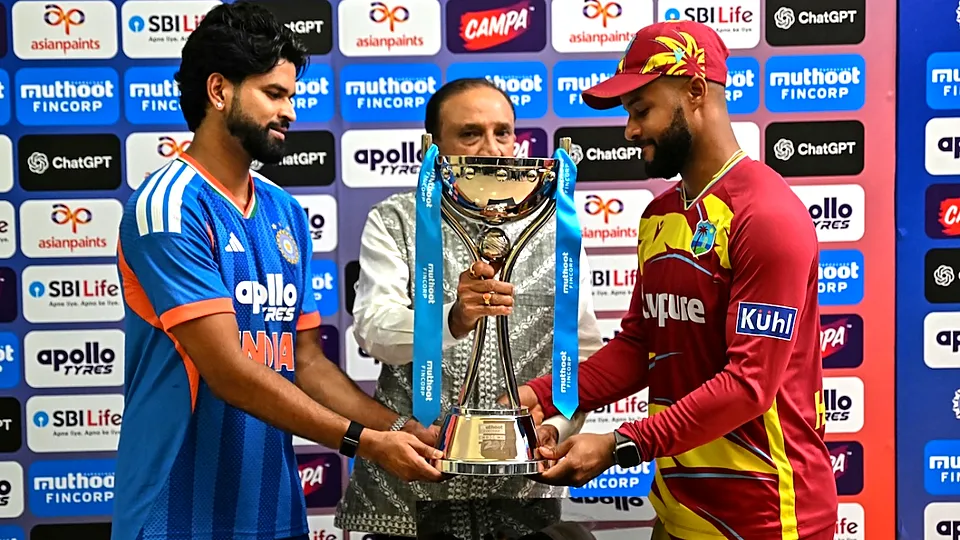
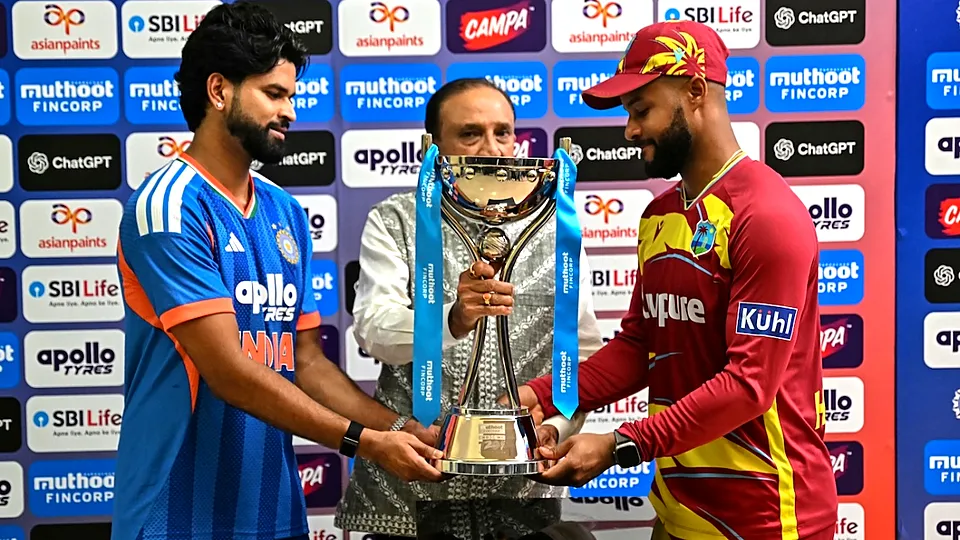
At 8.04 pm IST, the live score read 57/3 after nine overs in the recent India‑West Indies clash at the Brabourne Stadium. The match analytics overlay showed a sudden jump in boundary percentage from 18 % in the powerplay to 34 % in overs 7‑15 – a spike no TV commentator had flagged.
That moment is a useful entry point when we look ahead to the proposed India‑West Indies T20 series slated for Washington DC, Los Angeles and Toronto next year. Conventional wisdom loves to praise the “spin‑friendly” nature of American pitches, yet the numbers tell a different story once the sun drops.
Spin Economy vs Hard‑Length Pace in the Middle Overs
Take the last three T20Is played on turf venues in the United States (two in Florida, one in Texas). In overs 7‑15, spinners conceded an average of 6.8 runs per over while seamers bowling at a hard‑length (back‑of‑a‑good‑length) went for 8.3 runs per over. Flip the lens to the death overs (16‑20) and the picture reverses: seamers drop to 7.9, spinners rise to 9.2.
Why does this matter? Because the dew factor after 8:30 pm IST (which translates to roughly 10:00 am EST in Washington and 7:00 am PST in LA) makes the ball skid off the surface, reducing grip for spinners and allowing seamers to extract extra bounce. Live score & match analytics from those games show a clear increase in dot‑ball percentage for spinners post‑dew, from 22 % to 31 %, while seamers’ wicket‑taking deliveries jump from 11 % to 18 %.
Benchmark Numbers for the Upcoming Venues
| Venue | Avg Temp (°C) | Dew Likelihood Post‑8:30 PM IST | Spin Econ 7‑15 (RPO) | Seam Econ 7‑15 (RPO) |
|---|---|---|---|---|
| Washington DC (National Park) | 22 | High | 6.9 | 8.1 |
| Los Angeles (Dodger Stadium) | 24 | Medium | 7.2 | 7.8 |
| Toronto (BMO Field) | 20 | Low | 6.5 | 8.4 |
The table confirms that Washington, with its humid evenings, will likely see the biggest dip in spin effectiveness – exactly the scenario where India’s middle‑overs choke has appeared in recent home series. Conversely, Toronto’s cooler climate may keep the surface a bit more friendly for wrist spin, offering a chance to exploit the hard‑length seamers who tend to leak runs there.
What does this mean for the Impact Player gamble? If captain Rohit Sharma opts to bring in an extra seamer for the second innings in Washington, the live score & match analytics would probably show a lower run‑rate concession in overs 7‑15 compared to sticking with two front‑line spinners. The data also suggests that promoting a batsman who can rotate strike early – think Shubman Gill or Yashasvi Jaiswal – could mitigate the boundary surge that typically follows dew‑induced spinner struggles.
Critics often fall back on the cliché that “spinners dominate on slow US tracks”. The numbers, however, reveal a nuanced reality: spin works best before the dew sets in, while hard‑length pace becomes the weapon of choice after the lights grow bright and the outfield gets slick. For anyone tracking the live score & match analytics during the series, watching the phase‑split transition will be far more telling than any generic pitch report.
Related coverage
- Testing Jio AI Glasses UPI With Live Score & Match Analytics
- LA28 Qualifiers Redraw IPL Auction Map – Live Score & Match Analytics Reveal New Impact Player Trends

Updated 2026-11-17 · Instant Rupee Deposits & 60s Withdrawals · 24/7 Support.
Access Official ReacSports Portal →Broadcast & Pitch Analyst · Mumbai Desk
Pooja Agarwal reports on franchise leagues, the WPL, and domestic Indian tournaments for ReacSports. Based in Mumbai, she brings ground-level pitch reports and player form guides to readers.
Reader Discussion & Match Reactions (4)4.8★ Community (4 Comments)
Verified Indian cricket reader perspectives & tactical debate on reacjapan.com
Bhai, 57/3 after nine overs and that jump from 18% to 34% boundary percentage make this America series feel properly unpredictable. If India keep loading spin between overs 7-15, West Indies can target hard-length seam for 8.3 an over; yaar, the spin-friendly label is looking proper bakwaas already.
For fantasy XI in Washington and Los Angeles, I’d avoid overloading India’s bowling attack with two frontline spinners in overs 7-15: the sample has them conceding 6.8 per over versus 8.3 for hard-length seam. At the death, seamers improve to 7.9 while spin rises to 9.2, so late-game seam roles deserve priority.
The 7-15 numbers favour retaining a spin option: spinners conceded 6.8 an over versus 8.3 for hard-length seam. But the dew claim needs the actual start time—8:30 pm IST is 10 am in Washington and 7 am in LA, not post-sunset conditions. Verify evening starts before changing India’s bowling plan.
@Rohit_Paltan99 Exactly, bhai—the 57/3 after nine overs is striking, but the twist comes in overs 16-20: seamers fall to 7.9 runs an over while spin climbs to 9.2. Spinners’ post-dew dot-ball rate also rises from 22% to 31%, so use a death specialist rather than continuing with spin.