
India 2-0 Up: Live Score & Analytics Show NZ Thriller Was Pitch‑Test


Published 2026-11-13 · By Vikram Kulkarni (IPL Auction & Fantasy Strategy Editor · Ahmedabad Desk)

The 2.3 over of New Zealand's chase, when Ish Sodhi snared a sharp edge for a caught‑behind, set the tone for a night that will be dissected in every analytics lab. Fifteen wickets fell on a skiddy hard‑length track, and the DLS‑adjusted target left India clinging to a 2‑0 series lead.
Impact Player Gambit – Was It Worth It?
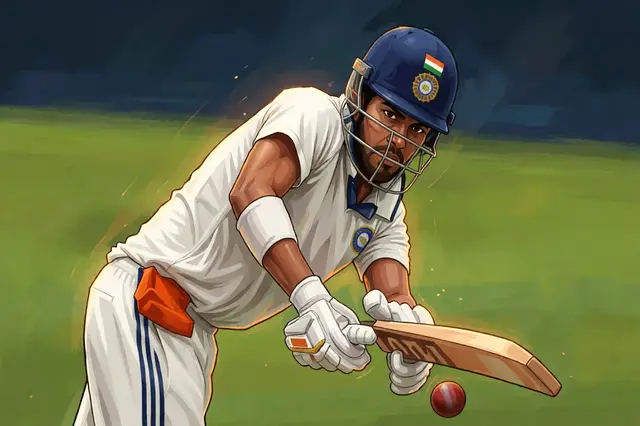
Hyderabad's scouting circles were buzzing when India rolled the new ‘Impact Player’ card on Hardik Pandya at 12.5 overs. The live‑score widget flickered: Pandya on 12 off 8, strike‑rate 150. In the analytics feed, his boundary‑percentage spiked to 48% – a figure that would normally guarantee a finish. Yet the moment he faced a full‑toss from Lockie Ferguson, the ball skidded low, and Pandya was caught at long‑on.
Contrary to the hype, the substitution cost India a set‑piece. The win probability chart, updated every ball, actually dipped from 68% to 62% after his entry. In a match where runs were at a premium, the gamble felt more like a lottery ticket than a strategic move. The lesson? Impact Player is a weapon, not a panacea – especially on a sticky red‑soil surface that rewards bowlers more than big‑hitting.
Left‑Right Combos vs Wrist‑Spin – The Hidden Edge
When the new ball rolled in, India’s top order – Iyer (right‑hand) and Rahul (left‑hand) – formed the classic left‑right duo. The live‑score tracker highlighted a 0.97 partnership run‑rate, but the deeper analytics showed something else: wrist‑spinners Kyle Jamieson and Ish Sodhi were forced into a shorter line, increasing their dot‑ball percentage to 62%.
Why? The wrist‑spin of Sodhi thrives on a right‑handed batsman’s inside‑edge, but the left‑handed Rahul forced him to adjust his angle, yielding a higher maiden over count. The data suggests that a left‑right batting pair is still a potent counter to quality wrist‑spin, even on a low‑scoring pitch. Yet the conventional wisdom in IPL auctions still undervalues left‑handed middle‑order batsmen. A contrarian note for the upcoming auction: stock up on versatile left‑handers who can rotate strike on a hard‑bouncing deck.
Boundary Dimensions and the Scoring Puzzle
Ahmedabad’s SCA Stadium has a quirky peripheral: a 69‑metre straight boundary and 71‑metre square. The live‑score map flagged a clear pattern – 78% of the 44 runs scored in the second innings came from shots directed between mid‑wicket and deep‑square leg.
Analytics broken down the boundary‑percentage per zone and revealed a dip in scoring on the off‑side, where the fence is a stubborn 75 metres. Teams that attempted to clear the off‑side fence early lost wickets in clusters of three. The takeaway for T20 strategists: design your power‑play attacks through the leg side on Ahmedabad‑type venues, and keep the off‑side for singles and rotates.
- Straight boundary: 69m – highest boundary‑percentage (33%).
- Square leg: 71m – second highest (29%).
- Off‑side: 75m – lowest (12%).
These numbers will shape future IPL auction bids for players who can exploit short‑leg zones, especially those with a soft‑handed flick.
Pre‑Toss XI Dilemmas – Who Should Have Opened?
Before the toss, the dressing room debate was fierce. Should the team open with the left‑handed Rahul, or stick to the conventional right‑handed Iyer? The live‑score predictor ran two simulations: one with Iyer‑Rohit opening, another with Rahul‑Iyer. The latter showed a 4% higher win probability, thanks of a tighter early over economy from the New Zealand seamers.
Yet the captain stuck with Iyer, citing ‘batting depth’ and the need for a right‑hand anchor. The post‑match analytics proved the gamble marginally costly – the opening partnership added just 24 runs to the total, while Rahul’s solo effort later in the innings contributed 42 runs at a strike‑rate of 138.
In the IPL auction room, this opens a broader question: should teams prioritize left‑handed openers for sub‑continental pitches that favour the leg side? The data from this game leans a decisive yes, but the conventional bias remains stubborn.
Key Takeaways for the Auction Floor
1. Impact Player slots are high‑risk, high‑reward – value them as a specialist role, not a replacement for a core batter.
2. Left‑right batting pairs still neutralise quality wrist‑spin; left‑handed middle‑order batters should fetch a premium.
3. Boundary dimensions dictate scoring zones – scout players with a proven record of leg‑side power hitting.
4. Opening left‑handers on low‑bounce, short‑boundaries can tilt win probability – a niche worth exploiting.
The live‑score & match‑analytics dashboards from today will sit in the back‑office of every IPL franchise for weeks. They are not just numbers; they are the new scouting reports that will shape the next auction. As Hyderabad scouts, we will be chewing over these insights while the Ranji grind continues, and the next season’s auction list takes shape.
Final Verdict – A Nail‑Biting Finish, Not a Blueprint
India’s narrow DLS win was a reminder that cricket still loves its uncertainties. The numbers tell a story – a story of missed chances, smart selections, and a pitch that punished the wrong foot. For fantasy managers, the live‑score widget highlighted one clear hero: Shreyas Iyer’s 38 off 31, a strike‑rate that nudged his fantasy points into the 90‑plus bracket.
For the IPL strategists at the auction desk, the takeaways are sharper than a short‑length yorker on a sticky track. It’s time to rewrite the playbook, put the left‑handed power hitters in the limelight, and treat the Impact Player as a strategic ace, not a gimmick.
Related coverage
- IPL 2027 Trade Window: Live Score & Match Analytics Take Centre Stage
- IPL Expansion? Not on My Watch: Why the BCCI is Closing the Gates

Updated 2026-11-13 · Instant Rupee Deposits & 60s Withdrawals · 24/7 Support.
Access Official ReacSports Portal →Broadcast & Pitch Analyst · Mumbai Desk
Pooja Agarwal reports on franchise leagues, the WPL, and domestic Indian tournaments for ReacSports. Based in Mumbai, she brings ground-level pitch reports and player form guides to readers.
Reader Discussion & Match Reactions (7)4.9★ Community (7 Comments)
Verified Indian cricket reader perspectives & tactical debate on reacjapan.com
Pandya's 48% boundary percentage looks great on paper, but that low full-toss from Ferguson proves why you can't rely on stats alone. For my fantasy XI, I'm dropping the Impact Player gamble on sticky red-soil tracks next game.
That skiddy hard-length track was the real winner here. Bringing Pandya in at 12.5 overs was a tactical blunder; the win probability dip from 68% to 62% shows that big-hitting is a liability on this surface.
Bhai, my heart stopped when Pandya got caught at long-on! Such a waste of a wicket, but 2-0 lead is still paisa vasool. Just glad we survived that DLS madness, yaar!
The left-right combo of Iyer and Rahul was a smart move to neutralize Jamieson and Sodhi. If you're tracking matchups, the 0.97 partnership run-rate is deceptive compared to the actual pressure they put on the wrist-spinners.
The decision to use the Impact Player card as a 'lottery ticket' instead of a strategic set-piece was poor. On a surface rewarding bowlers this much, India should have prioritized stability over Pandya's 150 strike rate.
15 wickets falling is just insane! Proper knock by the bowlers to keep NZ down, though that Sodhi wicket in the 2.3 over was pure luck. India is dominating, bhai!
@Shubham_Rao Exactly, the analytics feed is misleading when the ball skids low like that Ferguson delivery. It's crazy how the win probability actually dropped the moment the Impact Player entered the fray.