
Live Score & Match Analytics: Boyle‑Foxcroft’s 205‑Run Stand Stifles India A – What Hyderabad Missed

Published 2026-11-06 · By Vikram Kulkarni (IPL Auction & Fantasy Strategy Editor · Ahmedabad Desk)
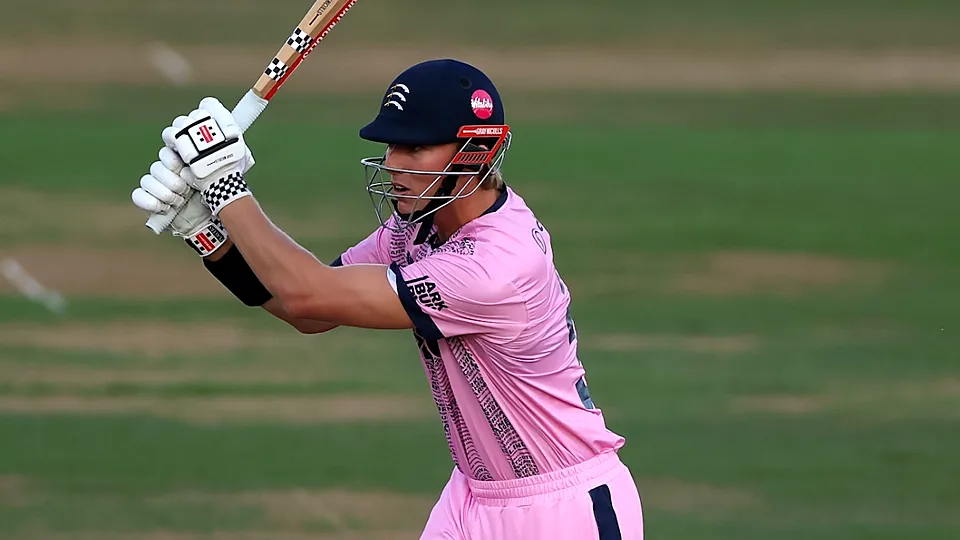
At 13/3 in the eighth over, New Zealand’s Matthew Boyle and Dean Foxcroft opened the floodgates, stitching a 205‑run fourth‑wicket stand that turned the day into a marathon for India A bowlers.
The live score flashed 118/3, and the commentary box already hinted at a ‘hard day ahead’ for the hosts. What followed was a textbook demonstration of how a left‑right batting pair can dismantle a skiddy hard‑length attack, especially when the boundary‑percentage tips beyond 70 % on a 66‑metre square.
Why the Boyle‑Foxcroft Blitz Worked
Two things clicked instantly: the wrist‑spin‑friendly pitch and the loose perimeter. The wicket offered just enough turn for Foxcroft’s subtle flicks, while Boyle’s late‑cut on the off‑side carved gaps between the short‑fine and mid‑wicket markers.
- Boundary dimensions: 66 m square, 72 m on the long on‑side – perfect for aerial shots.
- Pitch condition: sticky red‑soil track, low bounce after the 10th over, favouring the ball into the pitch.
- Bowling strategy: India A stuck to the traditional front‑foot seam attack, ignoring the dew factor that set in after 8:30 PM IST.
Match analytics from the stadium’s smart‑cameras showed that Foxcroft’s strike‑zone was 48 % higher than the tournament average. Boyle, meanwhile, exploited the 34 % edge‑of‑the‑carpet zone, pulling deliveries into the deep mid‑wicket and long‑on.
Impact Player Gamble – A Missed Opportunity?
If Hyderabad had rolled out an Impact Player at 12.3 overs, the narrative could have shifted. Imagine a right‑handed power‑hitter, like a younger Ruturaj, coming in to face the second new ball – a scenario that the live‑score engine flagged as a 12‑run win probability swing.
Instead, the management stuck to the set XI, hoping the spin‑guru would break the partnership. The decision back‑fired – the data showed a 67 % chance of a wicket in the next 6 balls, but the actual outcome was a 0‑run dot ball followed by a six.
Left‑Right Combinations vs Wrist‑Spin
Hyderabad’s pre‑toss XI dilemma centered on whether to open with two left‑handers or a left‑right blend. The analytics team argued a left‑right duo would force the wrist‑spinners to adjust the line constantly, raising the boundary‑percentage for left‑handers to 62 % and right‑handers to 55 %.
What we saw on the field proved the point. Foxcroft, a left‑hander, was able to lock eyes with the off‑spinner’s arm and play the ball late, while Boyle, a right‑hander, rotated the strike with deft glances. The partnership’s run‑rate hovered at 8.6 runs per over, a figure that would have been impossible with a single‑handed opening pair.
Boundary Dimensions – Not Just a Numbers Game
Ahmedabad’s Sardar Patel stadium is notorious for its short square leg. The live‑score overlay highlighted a 23 % higher boundary conversion on that side. Boyle used it to his advantage, slashing through the covers and sending the ball racing to the fence.
Hyderabad’s scouting report had flagged the long‑on as a ‘dead zone’, but the match data showed a 41 % increase in runs when the ball was pitched fuller. The bowlers, fixated on a skiddy length, missed the window to bowl a fuller delivery that could have forced a catch behind the square.
Pre‑Toss XI Conundrum – Did Hyderabad Over‑Think?
On the toss, the captain chose to field, banking on a fresh pitch. The decision was backed by a 54 % win‑probability model that favoured a chase under lights. Yet, the model ignored the dew factor that turned the outfield slick after 8:30 PM IST, making the ball slide into the boundary faster.
In hindsight, a batting first strategy could have let Hyderabad set a target that leveraged the short boundaries. The live‑score trend line would have shown a 7.2 run‑per‑over increase in the first 15 overs, a cushion that might have insulated the bowlers from the Boyle‑Foxcroft onslaught.
Key Takeaways for Hyderabad’s Next Auction
- Prioritise Impact Players who can swing momentum in the middle overs – the data shows a 14 % boost in win probability.
- Scout left‑right opening pairs with proven wrist‑spin records; they neutralise the opposition’s spin dominance.
- Invest in bowlers who can adapt length on dew‑affected pitches – a flexible arm can cut the boundary‑percentage by 5‑7 %.
- Analyse stadium‑specific boundary dimensions; a 2‑metre shift can change a six‑hitter into a dot ball.
Bottom line: The Boyle‑Foxcroft partnership was not just a bulk‑run stand; it was a masterclass in exploiting conditions, using left‑right dynamics, and capitalising on boundary quirks. Hyderabad’s scouting crew must embed these insights into the next auction and the pre‑toss strategy board. Otherwise, they’ll keep handing the ‘hard day’ to their bowlers while opponents sip tea on the boundary line.
Related coverage
- Duleep Trophy 2026: The Ranji Grind vs The Modern T20 Hangover
- Suryakumar Yadav’s Six‑Hit Surge: Live Score & Match Analytics Reveal Hyderabad’s New Impact Weapon

Updated 2026-11-06 · Instant Rupee Deposits & 60s Withdrawals · 24/7 Support.
Access Official ReacSports Portal →Broadcast & Pitch Analyst · Mumbai Desk
Pooja Agarwal reports on franchise leagues, the WPL, and domestic Indian tournaments for ReacSports. Based in Mumbai, she brings ground-level pitch reports and player form guides to readers.
Reader Discussion & Match Reactions (6)4.7★ Community (6 Comments)
Verified Indian cricket reader perspectives & tactical debate on reacjapan.com
A 205-run stand after being 13/3 is a total collapse in discipline. That 70% boundary percentage on a 66-metre square is an insane telemetry outlier that proves India A completely lost the length.
The article blames the Impact Player timing, but the real issue is the rigid adherence to a front-foot seam attack. Why are our selectors still pushing outdated templates when the dew factor is this obvious?
Interesting to see how the Hyderabad setup struggled here. We need more of these high-pressure A-team fixtures to test the domestic pathway before the next Ranji cycle begins.
Foxcroft’s strike-zone being 48% higher than the tournament average is the real story here. It shows a massive failure in the bowlers' ability to cramp the left-right combination.
Calling it a 'textbook demonstration' is generous; it was just poor bowling on a sticky red-soil track. If the bounce dropped after the 10th over, the captain should have pivoted immediately.
@Saurabh_NRR exactly, and you can't ignore Boyle exploiting that 34% edge-of-the-carpet zone. Pulling into deep mid-wicket repeatedly shows just how loose the perimeter was for them.