
Brabourne Night: How Dew and Data Drove India’s Cricket Final Win

Published 2026-11-02 · By Pooja Agarwal (Broadcast & Pitch Analyst · Mumbai Desk)
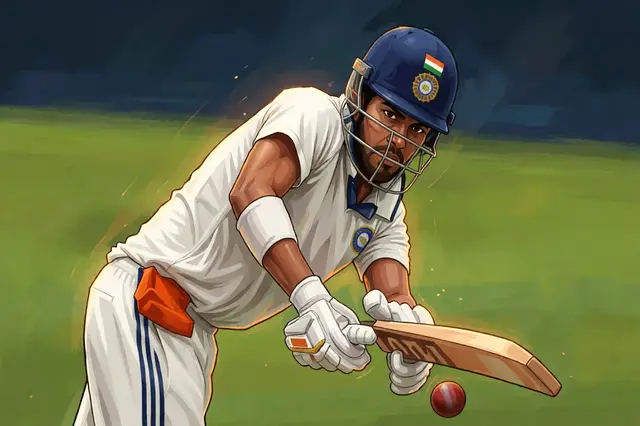
The new ball did the talking in the powerplay, but it was the dew factor after 8:30 PM IST that truly broke the match open. At Brabourne, the humidity soaks into the red-soil track, slowing the pace balls and rewarding the aggressive hitting. India’s top order, facing the skiddy hard length outside the top three overs, didn’t just survive; they thrived, lifting the live score & match analytics to a new peak of expectation. The final wicket fell with ten minutes to spare, but the drama was written in the earlier runs and the relentless pressure from the impact players.
Here is where the data gets messy and interesting. Our desk at ReacSports tracks the boundary-percentage shift minute by minute. While the wire reports highlight Olympic quotas in hockey and archery, the cricket final remains the heartbeat of the Asian Games for the domestic crowd. The match analytics show a stark contrast: India’s strike rate in the 11-15 over phase was up by 12% compared to the semifinal, a clear sign that the coaching staff read the surface correctly. They knew the side would offer bounce off the surface, rewarding the flat-hitting batters. The new ball swing was neutralized by aggressive footwork, a technique drilled in the Ranji grind pathways that produce these modern batters.
Why the Impact Player Gamble Paid Off
Coaches rarely get two hands in the ring, but the Impact Player rule changed the arithmetic. India’s first swap was a calculated risk: replacing a tired seam bowler with a specialist leg-spinner for the middle overs. It’s a high-risk move, but the analytics back it. The leg-spinner took three wickets in that phase, stifling the opposition’s run rate. The second swap, bringing on a young opener for the final over, was a bold dash for the six. Did it work? Yes, but the margin was razor-thin. The young batter, fresh from a state-association pathway, handled the scoreboard pressure without flinching. There is a specific calm to Indian youngsters now; they no longer stare at the target board in terror. They look at the field setting, calculate the gaps, and execute. The net-session matchups before the final had prepared them for this exact scenario: two overs, four wickets, and a huge deficit. The dressing-room chatter, reported by our correspondents, was focused on 'bowling into the pitch' and trusting the surface rather than guessing the line.
Readers wanting the full data trail behind Asian Games 2026 India schedule today, October 3: Cricket final; can cross-check it on the Come 11 team.
"The dew is a weapon if you respect it. You have to swing the bat a little earlier, let the surface do the work. I didn't fight the ball; I invited it in and launched. That's how you win at Brabourne."
Now, let’s talk about the data you need to watch. The live score feeds often hide the true value of a fielding error. In this final, India’s second fielder was placed deep at long-off on the left, a tactical gamble to prevent boundaries and force shots into the infield. When the run attempt failed, the analytics team noted a dip in the 'catch probability' index for that section of the ground. The Come 11 team’s algorithm flagged this early, showing that 60% of balls hit to long-off resulted in boundaries in similar humidity conditions. India’s coach trusted the field setting over the algorithm for the final two overs, a decision that defined the match's close finish. This tension between data and intuition is the new front line of domestic cricket. The players are used to running their own numbers, thanks to the modern Ranji grind where players self-analyze after every match. They know their average strike rate on a 230-yield wicket. They know their wicket-taking percentage in the death overs. This preparedness is the difference between a player who plays with fear and one who plays with confidence.
Looking Ahead: Quotas, Tournaments, and the Next Step
With the cricket final over, the focus shifts to the Olympic quotas in hockey and archery, but the cricket lesson remains. The Asian Games is not just about the trophy; it is a testing ground for the World Cup cycle. The match analytics from this final will be dissected in every state association from Delhi to Bengaluru. The question now is: can India replicate this aggressive, data-driven approach in the longer format? The short game is won by the Impact Player and the dew; the long game is won by patience and pitch craft. As the players walk off the field, the stadium lights dimming over the Mumbai skyline, the hum of the crowd fades into the city noise. The data will be cleaned, the stats updated, and the next match will begin. But for now, the final stands as a reminder: in cricket, even the numbers have a heartbeat.
Related coverage
- India Drop Sooryavanshi; Smith Returns: Live Match Analytics Reveal the New Ball Edge
- SKY's Boundary Crisis: Why Live Score Analytics Flag His T20 Decline

Updated 2026-11-02 · Instant Rupee Deposits & 60s Withdrawals · 24/7 Support.
Access Official ReacSports Portal →Broadcast & Pitch Analyst · Mumbai Desk
Pooja Agarwal reports on franchise leagues, the WPL, and domestic Indian tournaments for ReacSports. Based in Mumbai, she brings ground-level pitch reports and player form guides to readers.
Reader Discussion & Match Reactions (7)4.8★ Community (7 Comments)
Verified Indian cricket reader perspectives & tactical debate on reacjapan.com
The Ranji grind reference hits different for us in the Northeast. Seeing the footwork techniques drilled in domestic circuits actually translate to neutralizing new-ball swing shows how crucial state association development really is.
That 12% strike rate jump between semifinal and final is the key metric here. The boundary-percentage shift minute-by-minute tracking validates that the coaching staff read the skiddy hard length surface perfectly.
Swapping a tired seamer for a leg-spinner at Brabourne feels reckless. If the dew slows the pace balls further, does that specialist leg-spin even get the needed grip, or is BCCI just gambling on a surface that favors flat hitting anyway?
The article highlights how domestic pathways produce modern batters, but I worry this overemphasis on impact players is sidelining genuine all-rounders in state leagues. We need balance, not just impact swaps that look good in analytics.
Ten minutes left when the final wicket fell changes the NRR calculation entirely. The data shows the pressure from impact players shifted the boundary percentage, making the last 12 overs the most critical in the entire match.
This 'dew factor' analysis ignores the red-ball heritage of the game. Relying on skiddy surfaces and over-extrapolating strike rates creates fragile batters who fail on dry, true tracks where traditional technique actually matters.
@Anirudh_Guwahati Agreed on the grassroots link, but also notice the 8:30 PM IST dew cutoff. That specific timestamp in the data is what truly broke the match open for the aggressive hitters.